
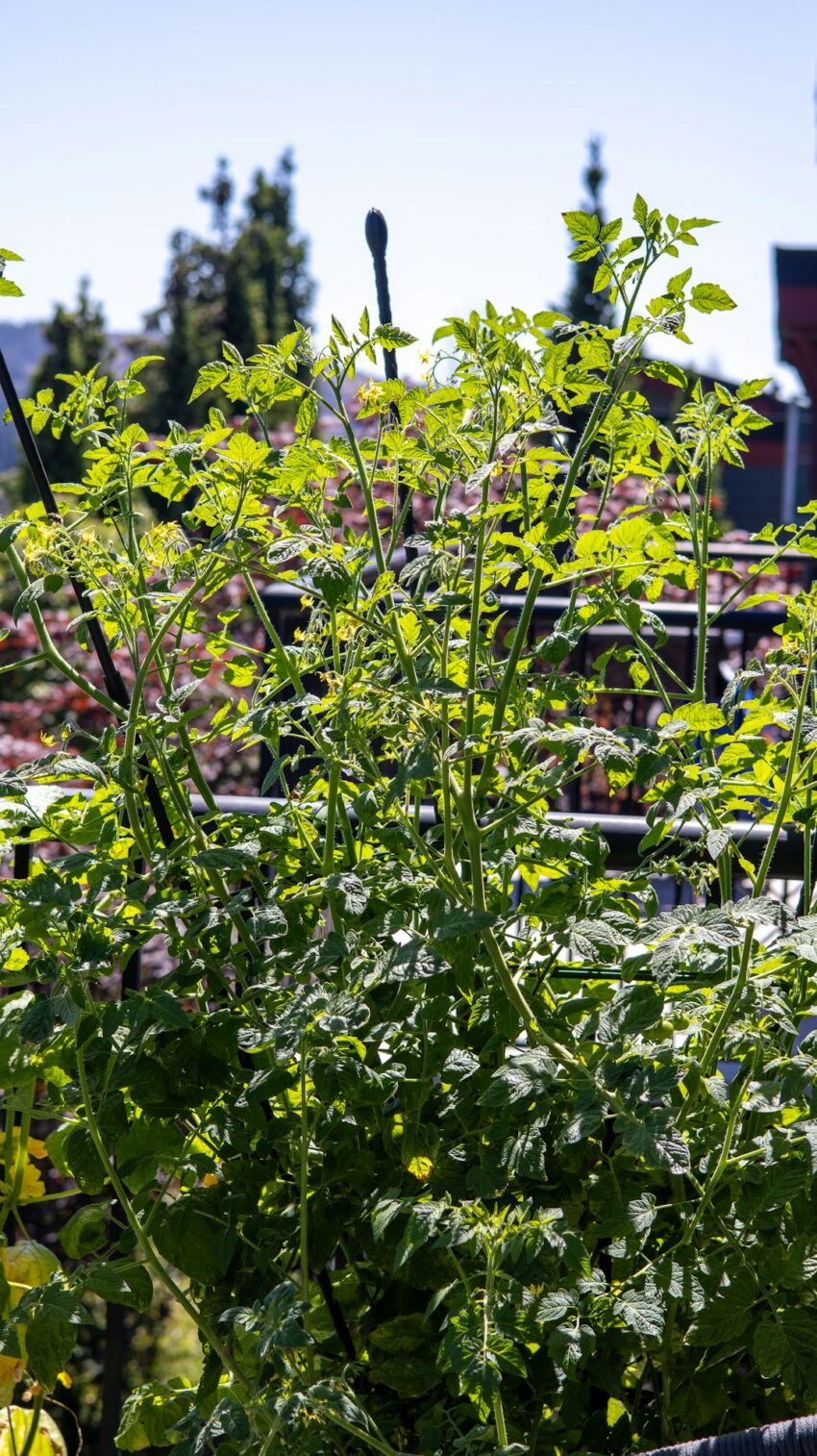
Container gardening for beginners is one of the most accessible ways to grow fresh, organic vegetables without needing a traditional backyard plot. Whether you have a small apartment balcony, a sunny patio, or just a windowsill, growing food in containers lets you enjoy homegrown produce with minimal space and investment. This comprehensive guide walks you through every step, from choosing the right pots and soil to harvesting your first crop of tomatoes, peppers, or herbs.
According to the Gardeners.com container gardening guide, more than 35% of American households now grow some food at home, and container gardening has become the fastest-growing segment. The beauty of this approach is that you control every variable: soil quality, sun exposure, water, and drainage. Even if your only outdoor space is a north-facing balcony, there are leafy greens and herbs that will thrive in partial shade.
Why Container Gardening Is Perfect for Beginners
Container gardening for beginners offers several distinct advantages over in-ground gardening. First, you bypass soil-borne diseases and many common pests entirely. Second, containers are portable; if a late frost threatens your seedlings, you can simply move them indoors overnight. Third, the startup cost is remarkably low. A few five-gallon buckets, a bag of potting mix, and a packet of seeds can get you started for under twenty dollars.
Another major benefit is the learning curve. In a small container setup, mistakes are contained literally. Overwatered one pot of basil? The rest of your garden is unaffected. This isolation makes container gardening an ideal classroom for new growers who want to develop intuition about plant health without risking an entire raised bed or garden plot.
Urban dwellers especially benefit from container gardening. The University of Minnesota Extension program notes that container gardens can produce impressive yields even on a four-by-six-foot balcony, provided you choose the right varieties and give them adequate sunlight and nutrients.
Choosing the Right Containers and Pot Sizes
The single most common mistake in container gardening for beginners is using pots that are too small. Root vegetables like carrots need depth; fruiting plants like tomatoes need volume for root expansion. As a rule, bigger is almost always better when it comes to container size, because larger pots retain moisture longer and give roots room to grow.
Here is a reference table for matching vegetables to their ideal container sizes:
| Vegetable | Minimum Pot Size | Recommended Depth | Spacing per Plant | Sun Requirement |
|---|---|---|---|---|
| Lettuce / Salad Greens | 2 gallons (8 in.) | 6 inches | 4-6 inches apart | 4-6 hours (partial shade OK) |
| Herbs (Basil, Cilantro) | 1-2 gallons (6-8 in.) | 6 inches | 6 inches apart | 6+ hours full sun |
| Cherry Tomatoes | 5 gallons (12 in.) | 12 inches | 1 plant per pot | 8+ hours full sun |
| Bell Peppers | 5 gallons (12 in.) | 12 inches | 1 plant per pot | 6-8 hours full sun |
| Bush Beans | 3 gallons (10 in.) | 8 inches | 4 inches apart | 6+ hours full sun |
| Radishes | 2 gallons (8 in.) | 6 inches | 2 inches apart | 4-6 hours |
| Carrots (short varieties) | 5 gallons (12 in.) | 12 inches | 2-3 inches apart | 6+ hours full sun |
| Zucchini / Summer Squash | 10 gallons (18 in.) | 12 inches | 1 plant per pot | 8+ hours full sun |
Material matters too. Terracotta pots are attractive but dry out quickly in hot weather. Plastic and resin containers retain moisture better and are lighter, which is important for balcony weight limits. Fabric grow bags offer excellent drainage and air pruning of roots, making them a favorite among experienced container gardeners. Whatever you choose, ensure every container has drainage holes at the bottom; waterlogged roots are the number-one killer of container plants.
The Ideal Soil Mix for Container Vegetables
Never use garden soil or topsoil in containers. It compacts, drains poorly, and can harbor diseases. Instead, use a high-quality potting mix designed for containers. A good container gardening for beginners soil recipe combines three parts peat-free potting mix (or coconut coir), one part perlite for drainage, and one part compost for nutrients.
If you want to mix your own, here is a proven formula. Take 60% peat-free compost-based potting mix, 20% perlite or pumice, 10% worm castings, and 10% aged compost. This blend provides excellent water retention while still draining freely. Add a slow-release organic fertilizer at the manufacturer’s recommended rate to give your plants a steady supply of nutrients for the first six to eight weeks.
Understanding Drainage and Watering
Proper drainage is non-negotiable. Every container needs holes in the bottom, and you should place a saucer underneath to catch runoff if your balcony has neighbors below. Some gardeners add a layer of gravel at the bottom of the pot, but research shows this actually raises the water table inside the container. Instead, fill the entire pot with your potting mix right to the bottom of the drainage holes.
Watering frequency depends on temperature, pot size, and plant maturity. In midsummer heat, a five-gallon pot of tomatoes may need daily watering. The simplest test: push your finger two inches into the soil. If it feels dry at that depth, water thoroughly until liquid flows from the drainage holes. Consistent moisture is critical; irregular watering causes blossom end rot in tomatoes and bitter lettuce.
Best Vegetables for Container Gardening Beginners
Start with forgiving, fast-growing crops that reward beginners quickly. Lettuce and salad greens can be harvested in as few as 30 days using the cut-and-come-again method. Cherry tomatoes are prolific producers that thrive in containers, especially compact varieties like Tiny Tim or Patio Princess. Herbs such as basil, parsley, and chives are nearly foolproof and provide immediate kitchen value.
Bush beans are another excellent choice because they fix their own nitrogen, reducing fertilizer needs. Radishes mature in under 30 days and are perfect for filling gaps between slower-growing plants. For something more ambitious, try bush-type zucchini in a large container; a single plant can produce five to ten fruits over the season.
Succession Planting for Continuous Harvest
One advanced technique that container gardening for beginners should adopt early is succession planting. Instead of sowing all your lettuce seeds at once, plant a small batch every two weeks. This staggers your harvest so you always have fresh greens rather than a glut followed by nothing. The same principle works for radishes, bush beans, and cilantro.
Watering Schedule and Fertilizer Guide
Container plants need more frequent feeding than in-ground plants because nutrients leach out with every watering. After the initial slow-release fertilizer is depleted (around six to eight weeks), begin feeding with a liquid organic fertilizer every two weeks. Fish emulsion, seaweed extract, or a balanced organic liquid feed (such as 5-5-5) all work well.
During peak summer, water in the morning before 10 AM to reduce evaporation and give foliage time to dry before nightfall, which helps prevent fungal diseases. If you travel frequently or tend to forget, self-watering containers with built-in reservoirs are an excellent investment. They maintain consistent soil moisture and can reduce watering frequency to once or twice a week.
Common Problems and How to Solve Them
Container gardening for beginners comes with a few predictable challenges. Aphids are the most common pest; a strong spray of water or a homemade soap spray (one tablespoon of castile soap per quart of water) handles most infestations. Yellowing lower leaves usually indicate nitrogen deficiency, which a liquid feed corrects within a week.
Leggy, stretched-out seedlings mean insufficient light. If space allows, you might also consider building a raised bed garden for even greater yields. If your balcony gets fewer than six hours of direct sun, focus on shade-tolerant crops like lettuce, spinach, and herbs, or consider supplementing with a small LED grow light. Wilting despite moist soil can signal root rot from overwatering or poor drainage; check that drainage holes are not blocked and reduce watering frequency.
The USDA Plant Hardiness Zone Map is an essential tool for determining when to move containers outside in spring and when to bring them in before the first fall frost. Knowing your zone helps you time plantings correctly and avoid cold damage.
Dealing with Wind on High Balconies
Wind is an often-overlooked challenge for balcony container gardeners. Strong gusts can topple tall plants, dry out soil rapidly, and cause physical damage to leaves. Use heavier containers (ceramic or stone) for tall plants, position them against walls for shelter, and consider installing a simple windbreak screen. Grouping containers together also creates a microclimate that reduces wind exposure and increases humidity around your plants.
Frequently Asked Questions
How much sunlight do container vegetables need?
Most fruiting vegetables like tomatoes, peppers, and beans need at least six to eight hours of direct sunlight daily. Leafy greens and herbs can grow well with four to six hours, making them better choices for partially shaded balconies. Track the sun on your balcony over a full day before choosing what to plant.
Can I reuse potting soil from last season?
Yes, but refresh it first. Remove old roots, mix in fresh compost (about 25% by volume), and add a slow-release fertilizer. Avoid reusing soil from plants that had disease issues. Properly refreshed potting mix performs nearly as well as new mix and reduces waste significantly.
How often should I water container vegetables in summer?
In hot weather, most containers need daily watering, and some small pots may need watering twice a day. Check soil moisture by inserting your finger two inches deep. Self-watering containers can extend this to every two to three days. Mulching the soil surface with straw or wood chips also reduces evaporation.
What are the easiest vegetables to grow in containers?
Lettuce, radishes, herbs (basil, parsley, chives), cherry tomatoes, and bush beans are the top choices for beginners. They germinate quickly, tolerate minor care mistakes, and produce harvests within 30 to 70 days. Start with these before moving on to more demanding crops like eggplant or melons.
Do I need to add fertilizer if I use premium potting mix?
Premium mixes contain enough nutrients for roughly six to eight weeks. After that period, container plants require regular supplemental feeding. Use a balanced liquid organic fertilizer every two weeks during the growing season. Without additional feeding, plants will show yellowing leaves and reduced yields.
Disclaimer: The gardening advice provided in this article is for general informational purposes only. Plant performance varies based on local climate, specific growing conditions, and individual care practices. Always consult your local agricultural extension office or a certified horticulturist for guidance tailored to your region. This content does not constitute professional agricultural advice.